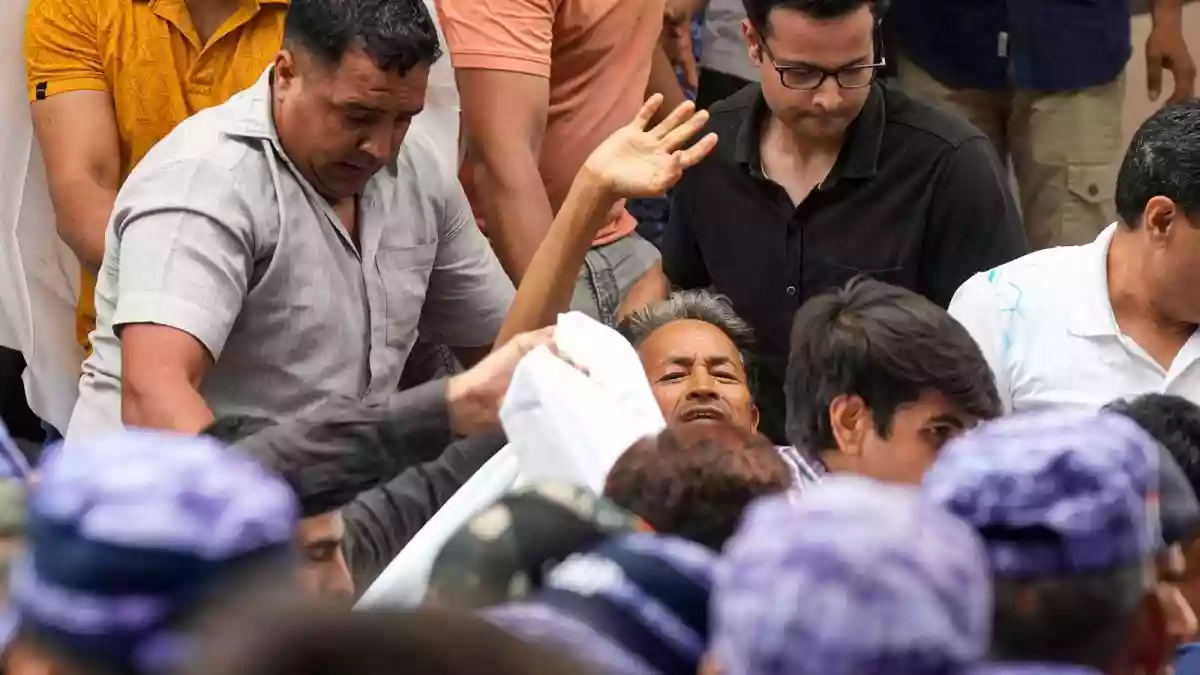
Sonam Wangchuk vows to continue hunger strike as CJP reclaims Jantar Mantar stage
.gif)

Download Mobile App 






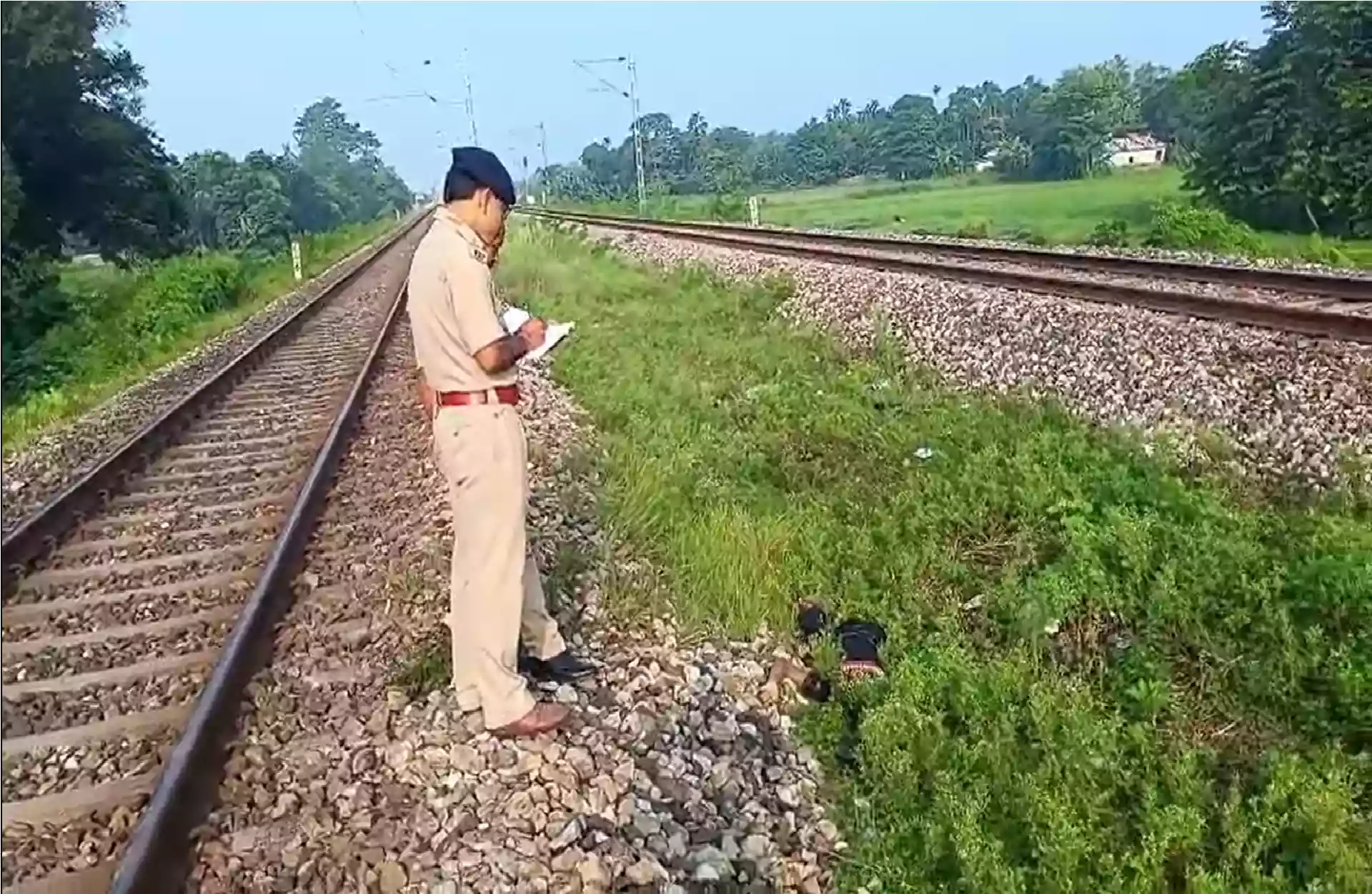
Just a day before the solemn rituals of Mahalaya ushered in Durga Puja's spiritual fervor, the vibrant yet vulnerable town of Dhupguri in West Bengal's Jalpaiguri district was plunged into fresh grief by yet another heart-wrenching rail tragedy, where 45-year-old Kishor Ghosh, a once-thriving ferryman turned solitary scrap collector, met a gruesome end on the railway line near Battala Rail Gate adjacent to the station, his mutilated body—severed limb found 30 meters away—discovered by passersby on a misty Saturday morning that amplified the area's growing dread of unguarded tracks claiming lives like silent predators. Ghosh, a Ward 9 resident whose life had unraveled 15 years ago when his wife and daughter abandoned him for Falakata, leaving him to wander in a haze of addiction and isolation, was presumed to have stumbled onto the path late night in an inebriated stupor, the train's inexorable rush extinguishing his fragile existence in an instant. As locals notified the GRP and local police, who swiftly recovered the remains for postmortem, this incident— the second in three days following a similar fatality at Alta Gram station—has cast a pall of fear over Dhupguri, where bustling rail corridors slice through daily lives, demanding urgent fences, awareness drives, and a compassionate gaze toward the marginalized souls they ensnare, turning routine commutes into laments. The morning's horror unfolded with the routine rhythm of a small-town dawn: early risers en route to the market or station halted abruptly at the sight of Ghosh's dismembered form sprawled across the rails, blood mingling with the dew on the sleepers, his detached leg a macabre marker of the night's violence some distance away, as if the train had toyed with his fate before claiming it.
Family ties long severed, Ghosh's story emerged in hushed tones from neighbors who knew him as the "kabadiwala" shuffling through alleys with his sack of plastics and discards, a shadow of the man who once ferried passengers across the Jaldhaka River, his earnings sustaining a home that crumbled when domestic discord drove his loved ones away. "He'd linger by the gate, bottle in hand, muttering to ghosts," one elderly shopkeeper recalled, her voice cracking, painting a portrait of a man adrift in Dhupguri's undercurrents, where economic driftwood like him often washed up perilously close to the iron veins of Northeast Frontier Railway. Police response was prompt yet tinged with the weariness of repetition; GRP personnel cordoned the site, their notebooks filling with witness sketches of Ghosh's nocturnal haunts, while the local thana coordinated the somber transfer to Jalpaiguri Medical College for autopsy, hoping to confirm the obvious—blunt force trauma from a passing goods train under cover of darkness. Preliminary inquiries point to no foul play, just the tragic confluence of alcohol's fog and tracks' unforgiving pull, but officers have requisitioned CCTV footage from nearby poles and station cameras, scrutinizing timestamps for any glimpse of Ghosh's final, unsteady steps. In a town where rails hum with the promise of connectivity to Siliguri and beyond, such pleas for digital eyes underscore a systemic gap: underlit crossings, absent barriers, and a lack of outreach for the vulnerable, whose stories rarely make headlines until etched in blood.
Dhupguri's rail woes have escalated into a sinister streak, this being the third such mishap in recent weeks—the Alta Gram victim just two days prior, a nameless laborer similarly felled, echoing a pattern that locals attribute to lax patrolling during festival seasons when minds wander to pujas and not perils. For Ghosh, whose estranged family in Falakata learned of his passing via a cold call, the loss reopens old wounds, a reminder that abandonment's scars can lead to tracks as surely as despair. As of the current situation, the Battala Gate transformed from tragedy's epicenter to a makeshift memorial—marigold garlands draped on the gatepost, tea stall owners murmuring prayers over flickering diyas, the scent of incense mingling with the metallic tang of rails. Ghosh's few possessions—a tattered lungi, a crumpled photo of his daughter from happier days—were pieced together by a cousin who arrived unbidden, offering the rites his brother could no longer claim. In homes across Ward 9, conversations turned inward: mothers clutching children closer near crossings, fathers vowing to steer kin from the bottle's brink, a ripple of resolve born from one man's lonely end. Yet, beneath the solidarity simmers anxiety—Mahalaya's eve, meant for ancestral invocations, now shadowed by a son's unheeded fall.The probe presses forward, with railway officials summoned for a joint review. Advocacy groups from Jalpaiguri plan awareness marches, partnering with NGOs to map "hotspot" gates and push for solar fencing, while whispers of compensation for Ghosh's kin hint at administrative atonement. In the quiet aftermath, as trains thunder past without pause, his story lingers like fog on the line—a call to weave safety nets for the forgotten, lest the rails' relentless song drown out another fragile heartbeat. Dhupguri endures, scarred but stirring, its people a chorus demanding that progress not come at the cost of its quietest souls.



.webp)


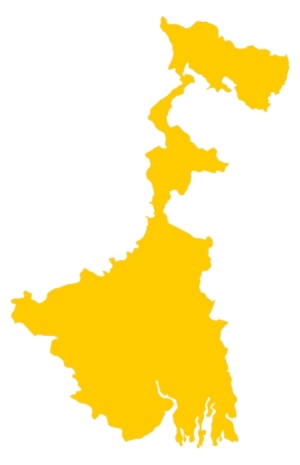 West Bengal
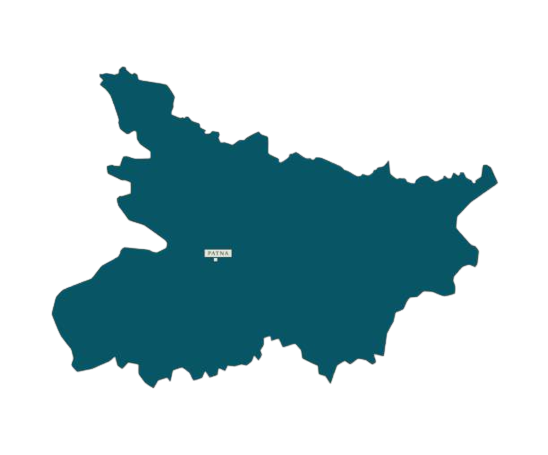 Bihar
Bihar Uttar Pradesh
 Jharkhand